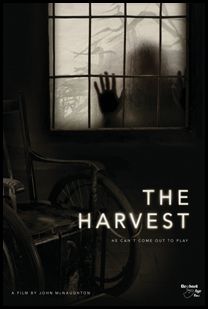
John McNaughton's Chilling Return: A Look at The Harvest (2013)
After a significant hiatus from the director's chair, especially within the horror genre, the acclaimed John McNaughton made a powerful comeback with his 2013 film, The Harvest Movie. Also known as Can't Come Out to Play in European markets, this psychological thriller marked McNaughton's first feature film in over a decade since Speaking of Sex (2001), and his first foray into horror since his chilling Masters of Horror episode, "Haeckel's Tale," in 2006. Premiering at the Chicago International Film Festival on October 19, 2013, The Harvest Movie promised a return to the unsettling, character-driven narratives McNaughton is known for, and it certainly delivered a gripping, disturbing experience.
McNaughton himself offered a profound insight into the film's core, describing it as having "the bones of a fairy tale. It’s about growing up and having to break free from your parents. Your parents want your heart and you can’t let them take it. You have to break away and make your own life." This statement is crucial to understanding the layers of psychological horror and tragic parental obsession that unfold throughout The Harvest Movie, positioning it as far more than just a typical genre piece. It delves into universal anxieties surrounding autonomy, familial bonds, and the desperate, often destructive, nature of love.
Unraveling the Sinister Heart of The Harvest Movie
The narrative of The Harvest Movie centers on Maryann (Natasha Calis), a teenager grappling with the recent loss of her parents and adjusting to life with her grandparents. In her quest for connection, she stumbles upon Andy (Charlie Tahan), a boy her age confined to a wheelchair and seemingly isolated within his home due to a debilitating illness. This initial bond forms the seemingly innocent premise, reminiscent of classic tales of childhood friendship. However, it quickly becomes clear that Andy's overprotective mother, Katherine (Samantha Morton), is not merely concerned for his health but harbors a much darker secret.
Katherine's increasingly erratic and controlling behavior casts a long shadow over Maryann and Andy's burgeoning friendship. While Andy's father, Richard (Michael Shannon), initially shows a semblance of understanding and even approval of Maryann's visits, Katherine's iron grip on her son's life tightens. The revelation to Maryann's grandparents that Andy is supposedly dying leads to a prohibition of visits, yet Maryann, driven by a compassionate curiosity, persists. It's during these clandestine visits, particularly when Maryann ventures with Andy outside for a brief moment of normalcy playing baseball, that the sinister undercurrents truly begin to surface. The urgency of their return when Katherine calls highlights the constant threat of discovery.
The film expertly builds suspense as Maryann's innocent explorations lead her to the basement, where she makes a horrifying discovery: a comatose boy named Jason. This pivotal moment shatters any remaining illusion of a normal, albeit tragic, household. As Katherine's cruelty escalates, verbally and physically abusing Andy for defying her, the true nature of her and Richard's macabre activities slowly comes into horrifying focus. Richard's own moral compromises, including an affair with Sandra (Meadow Williams), only further underscore the twisted dynamics within the family.
Thematic Depths: Parental Control and Breaking Free in The Harvest
McNaughton's "fairy tale" analogy for The Harvest Movie is strikingly apt. Beneath the surface of a horror thriller, the film explores profound themes of parental control, the struggle for independence, and the ultimate act of forging one's own path. Katherine embodies the archetypal overbearing parent, but her desire to "keep" her child transcends normal protective instincts, veering into a terrifying form of possessive love that seeks to literally claim the very essence of her offspring. Her actions are a grotesque exaggeration of the fear many parents face – the eventual separation and loss of control over their children's lives.
Andy's journey is a painful allegory for adolescence, the period when one must inevitably sever the emotional and psychological umbilical cord from parents, no matter how loving or suffocating they may be. His physical confinement mirrors his psychological entrapment, and Maryann acts as both catalyst and guide in his awakening. Her presence represents the outside world, the freedom and truth that Katherine desperately tries to keep at bay. The film suggests that true growth requires breaking free, even if the chains are forged from twisted parental affection. The implications of this are explored in greater detail in The Harvest Movie: Unmasking Katherine's Chilling Deception, where Katherine's motivations are dissected.
Moreover, the revelation of Jason's abduction and the subsequent organ harvesting plot introduces a chilling layer of medical horror and ethical depravity. This is where The Harvest Movie transitions from psychological suspense to outright body horror, forcing viewers to confront the darkest aspects of human desperation and sacrifice. The act of removing part of Andy's liver under the guise of an appendix surgery is a sickening betrayal of trust, revealing the ultimate exploitation. To understand the full extent of this gruesome plot, readers can delve into The Harvest (2013): Decoding Its Disturbing Organ Mystery.
Performances That Haunt: The Cast of The Harvest (2013)
A significant strength of The Harvest Movie lies in its exceptional cast, particularly the central adult performers. Samantha Morton delivers a truly terrifying performance as Katherine. Her portrayal transcends mere villainy, imbuing Katherine with a chilling blend of desperation, delusion, and unwavering resolve. Morton masterfully conveys the internal turmoil of a woman pushed to extreme measures, making her a complex and utterly unforgettable antagonist. Her performance is a masterclass in psychological horror, embodying the suffocating terror of a mother's warped love.
Michael Shannon, known for his intense and nuanced roles, brings a disturbing complicity to the character of Richard. His quiet desperation and moral decay are palpable, showcasing a man trapped by circumstances, fear, or perhaps a shared delusion. Shannon effectively communicates Richard's inner conflict and ultimate surrender to Katherine's horrifying agenda, making him both a sympathetic and reprehensible figure. The interplay between Morton and Shannon creates a deeply unsettling domestic dynamic that forms the bedrock of the film's tension.
Natasha Calis as Maryann is the film's moral compass and brave investigator. Her performance captures the innocence, resilience, and growing horror of a young girl thrust into an unimaginable situation. Charlie Tahan as Andy skillfully conveys vulnerability and the gradual dawning of a horrifying truth, making his character's journey of self-discovery and rebellion incredibly impactful. The young actors carry the emotional weight of the narrative, drawing the audience deeper into the macabre fairy tale.
Why The Harvest Movie is a Must-Watch for Horror Enthusiasts
The Harvest Movie stands out as a compelling piece of horror cinema not just for its shocking twists, but for its meticulous construction of dread and its unflinching exploration of dark psychological themes. John McNaughton's return to horror is a triumphant one, demonstrating his continued ability to craft disturbing narratives that resonate long after the credits roll. The film is a masterclass in slowly peeling back layers of deception, moving from an unsettling domestic drama to a full-blown medical thriller with truly horrifying implications.
For those who appreciate psychological depth over jump scares, and character-driven horror that delves into the darkest corners of the human psyche, The Harvest Movie is an essential viewing experience. It's a testament to the power of a well-told story, anchored by superb performances and guided by a director who understands how to truly unsettle an audience. McNaughton challenges viewers to consider the lengths to which love, desperation, and delusion can drive individuals, leaving a lasting impression that transcends typical horror tropes.